


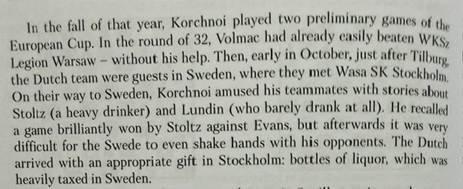
I was inspired to analyse this game after coming across this passage in the excellent 4-part biography of Kortchnoi by Tibor Karolyi and Hans Renette (Elk and Ruby)

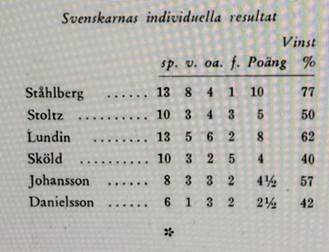
Stoltz didn’t make a great score in this Olympiad
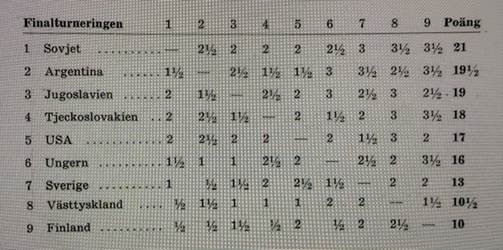
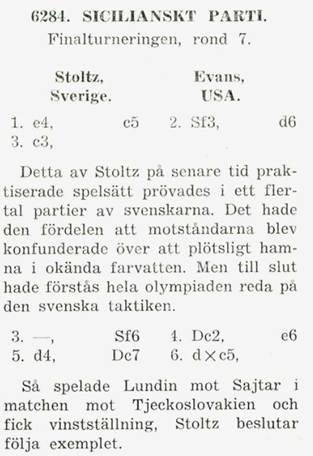
But he was instrumental in Sweden’s victory over a very strong American team. The game was annotated here in the September 1952 edition of “Tidskrift för Schack”
Comments marked [EB] are translations of annotations by E. Böök in his “Stormästaren Gösta Stoltz bästa partier”
[Tfs] Annotations in Tidskrift for Shack
Stoltz,Gosta – Evans,Larry Melvyn [B50]
Olympiad–10 Final A Helsinki (7), 27.08.1952
1.e4 c5 2.Nf3 d6 3.c3
[EB] “The Swedish team had specially prepared it for the Helsinki Olympics”]
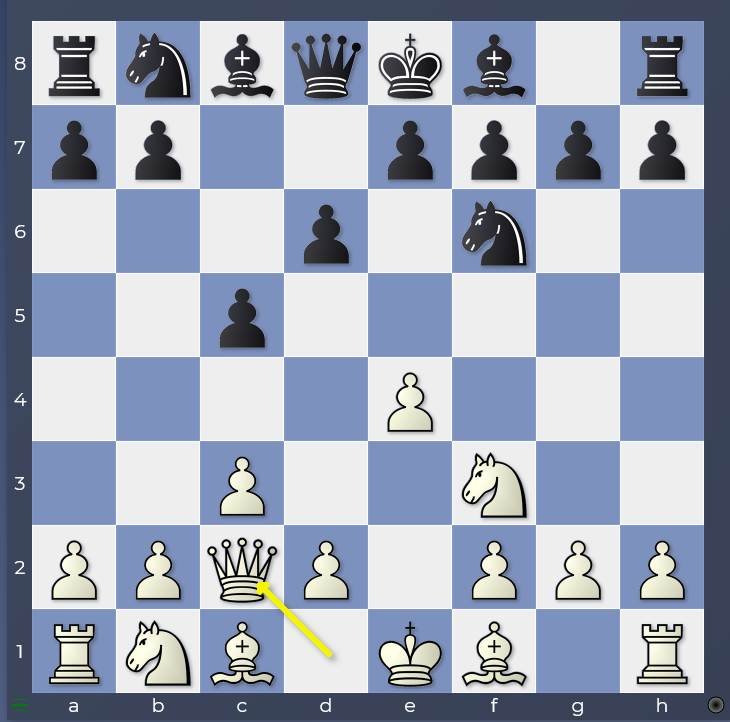
3…Nf6 4.Qc2
I first came across this offbeat Sicilian in which White attempts to achieve a double pawn centre with c3 and d4… in a biography of Ulf Andersson entitled (unexpectedly) “Ulf the Attacker” with Ulf (a 1.e4 adherent in his youth) attempting it. Around 1952–1953, both Lundin and Stoltz picked up the system though with not particularly good results, with the exception of this fine game!
4…e6N
A novelty at the time this game was played.
Earlier in the tournament, Stoltz had played a quick draw against the Yugoslavian player Rabar after
a) 4…Nc6 The Lundin game we will see later in the notes – played earlier in this tournament – also saw 4…Nc6. 5.d4 e6 6.dxc5 dxc5 7.Bb5 Qc7 8.Bg5 Bd7 9.Nbd2 Be7 10.0–0 0–0 11.Be2 Rfd8 12.Rfd1 Be8 13.Nc4 Rxd1+ 14.Rxd1 Rd8 15.Rxd8 Qxd8½–½ Stoltz,G-Rabar,B Olympiad–10 Final A Helsinki 1952 (2);
b) 4…Qc7 [EB] “The queen’s move should be met by 4…Qc7 to prevent the double step from White’s queen’s pawn” It has indeed been the generally recommended remedy stopping White from establishing a double pawn centre with 5.d4 cxd4 6.cxd4 due to the hanging queen on c2!
Stoltz’ colleague Lundin tried the more adventurous 5.Bc4 (The tame 5.d3 ended in a short draw in 5…Bg4 6.Be2 e6 7.Bg5 Nbd7 8.Nbd2 Be7½–½ Stoltz,G-Geller,E Interzonal–02 Saltsjobaden 1952 (21)) 5…e6 (5…Bg4 is the engine top move which has scored well for Black.) when after 6.d4 Black did not dare to grab the offered pawn with 6…cxd4 (Najdorf played 6…Nbd7 and now 7.Bd3 should be a little edge for White, having achieved his double pawn centre at the mere cost of a tempo! (instead of 7.d5 e5 8.Nh4 g6 9.f4 exf4 10.Bxf4 Bg7 11.0–0 0–0 12.Be2 Re8 which did not turn out well in 0–1 Lundin,E-Najdorf,M Olympiad–10 Final A Helsinki 1952 (8)) ) 7.cxd4 Nxe4 8.Bb5+ Kd8 After 9.Nc3
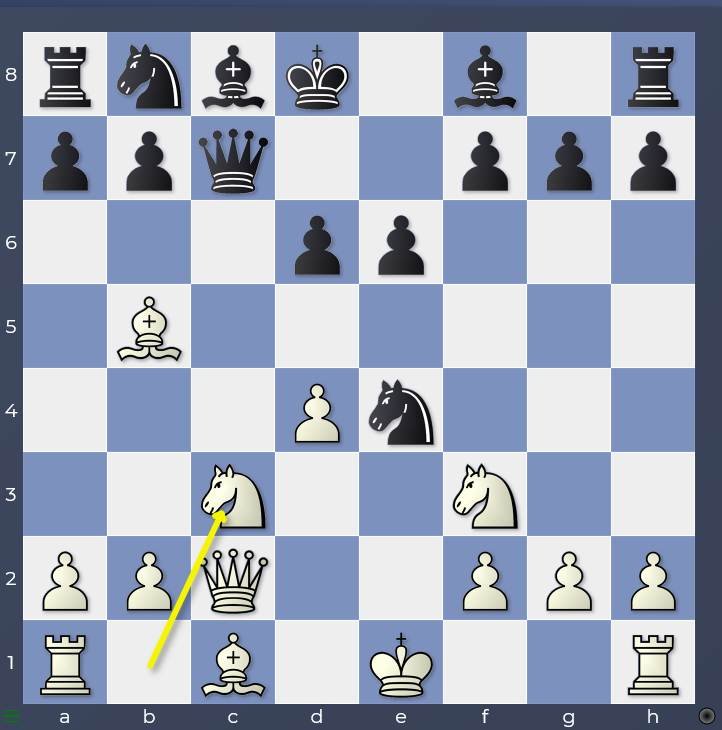
the engines prefer Black slightly, but there is obviously room for some interesting play with Black’s king unable to castle. It’s scoring just under 50% for White in Monte Carlo games.
5.d4 Qc7
5…Be7 6.dxc5 dxc5 7.Bd3 Nc6 8.0–0 Qc7 9.Re1 a6 and now the obvious 10.e5 (10.Bg5 Nd7 11.Bxe7 Nxe7 12.Nbd2 Ng6 13.Bf1 0–0 14.a4 0–1 Stoltz,G-Stahlberg,G Interzonal–02 Saltsjobaden 1952 (19)) 10…Nd5 11.Nbd2 was a pleasant advantage for White
6.dxc5
[EB] “After this exchange, White is in a comfortable position to develop, possessing a small but durable opening advantage”
[TfS] “This is how Lundin played against Sajtar in the match against Czechoslovakia and Stoltz follows suit”
6…dxc5
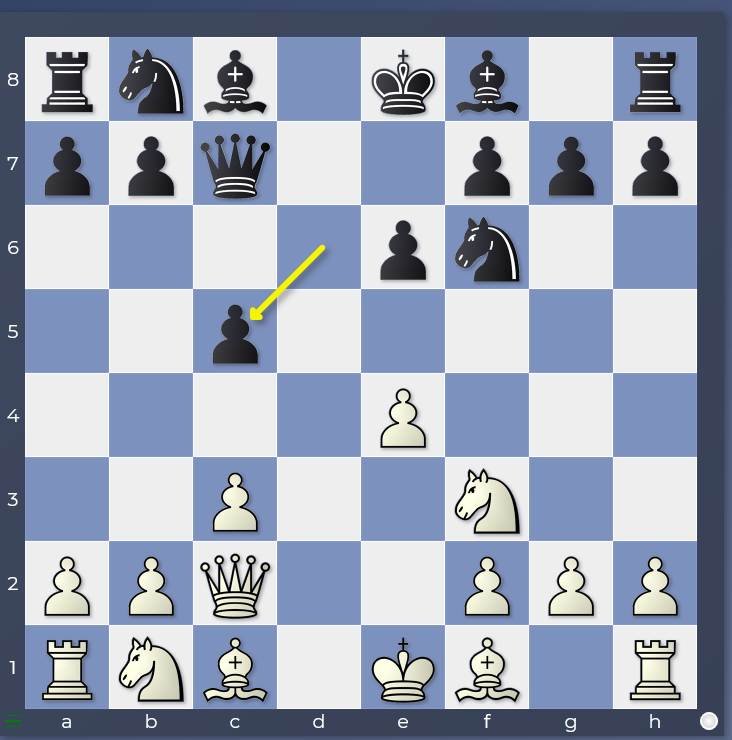
It seems strange to me that three strong black players willingly steered towards this type of position. Black’s pawn structure has become static, and the relative positions of the c-pawn on c3 and c5 mean that …e5 from Black to block e4–e5 from White will leave a weakness on d5 for White to exploit. It’s not a disaster, but it’s a lot of plusses to give away against such an innocuous system (3.c3 4.Qc2)
7.Bg5
I’m not a fan of this idea: placing the bishop on g5 so early just gives Black the opportunity to exchange off a set of minor pieces and take control of the dark squares around the e4–pawn (and thus prevent e4–e5) However, Lundin also played this way at the same tournament so this was clearly general Swedish preparation!
A plan more focused around achieving e4-e5 seems much better to me. However 25000 Monte Carlo games produced a White score of only 52% so Black is clearly OK. However, the games looked pretty fraught!
For example: 7.Nbd2 h6 8.e5 Nd5 9.Nc4 b6 10.a4
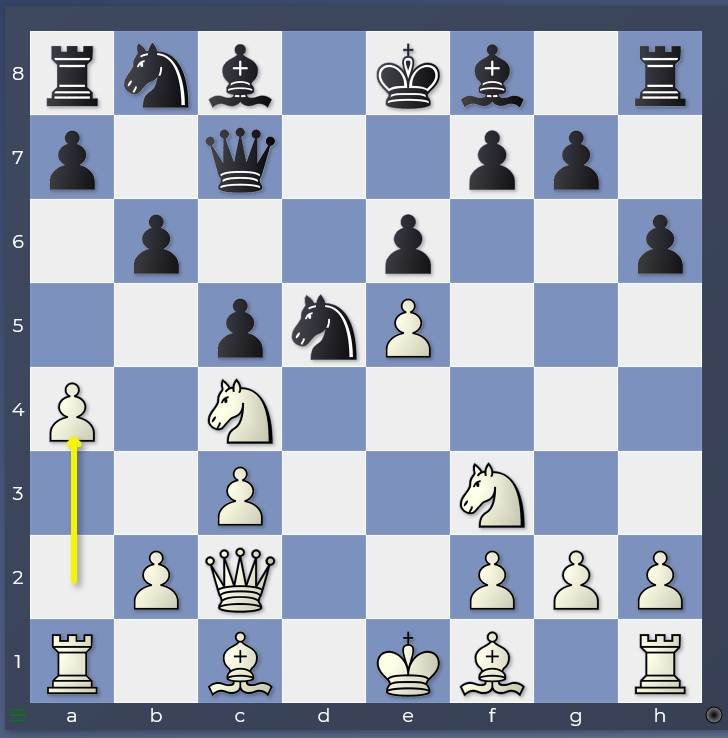
This is the basic setup the engines are aiming for, though the move order to set things up may vary. e4–e5 creates an outpost on d6 for the knight on c4 and also weakens Black’s kingside by chasing away the knight from f6. The a4–pawn keeps the knight on c4 stable and makes it harder for Black to create counterplay by gaining queenside space. 10…Nc6 11.Bd3 Bb7 12.0–0 Be7 13.Re1 Rd8 14.Qe2 Na5 15.Nxa5 bxa5 16.Bb5+ Kf8 17.h4 g6 18.Bd2 Kg7 19.b3 Nb6 20.h5 g5 21.Rad1 c4 22.Nd4 cxb3 23.Nxb3 a6 24.Bxa6 Bxa6 25.Qxa6 Nc4 26.Nd4 Nxd2 27.Rxd2 Qxc3 28.Nxe6+
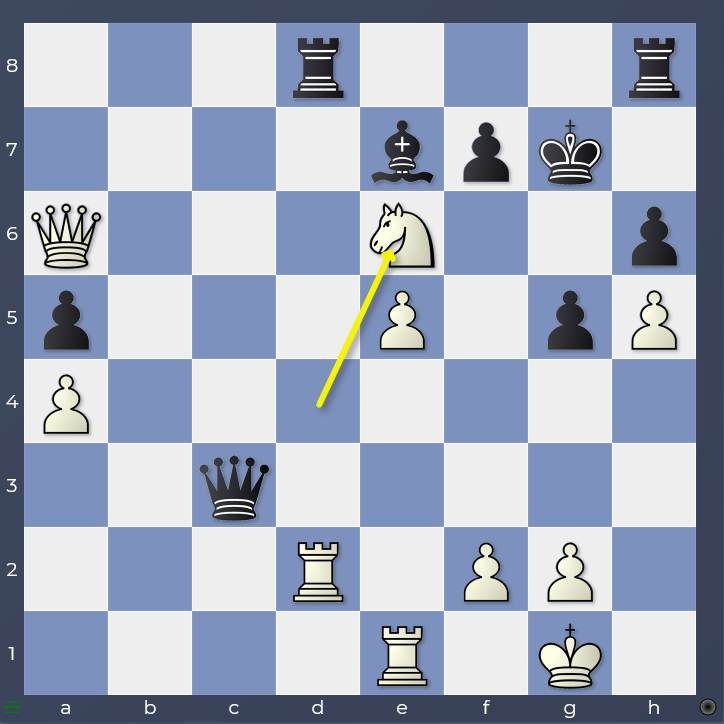
28…fxe6 29.Qxe6 Qxd2 30.Qxe7+ Kg8 31.Qe6+ Kf8 32.Qf6+ Kg8 33.Qg6+ Kf8 34.Re3 g4 35.e6 Qc1+ 36.Kh2 Qc7+ 37.g3 Rh7 38.Qf6+ Ke8 39.Qg6+ Kf8 40.Qf6+ Ke8 41.e7 Rxe7 42.Qg6+ Kf8 43.Qf6+ Ke8 44.Qg6+ Kf8 45.Qf6+ Ke8½–½ 7.Nbd2 h6 8.e5–Standard Monte Carlo 2026
7…Be7
I always like to see how engines handle such quiet-looking positions from the more passive side. Engines nowadays are really good at anticipating danger and the way they take rigorous action early in the developmental phase is extremely instructive.
7…h6 is the engine reaction!
a) 8.Bh4 Nh5 is the idea, preventing White from playing Bg3 and opening the possibility of …g5 to win the bishop pair at a later stage. The Monte Carlo games even give Black a slight edge here!
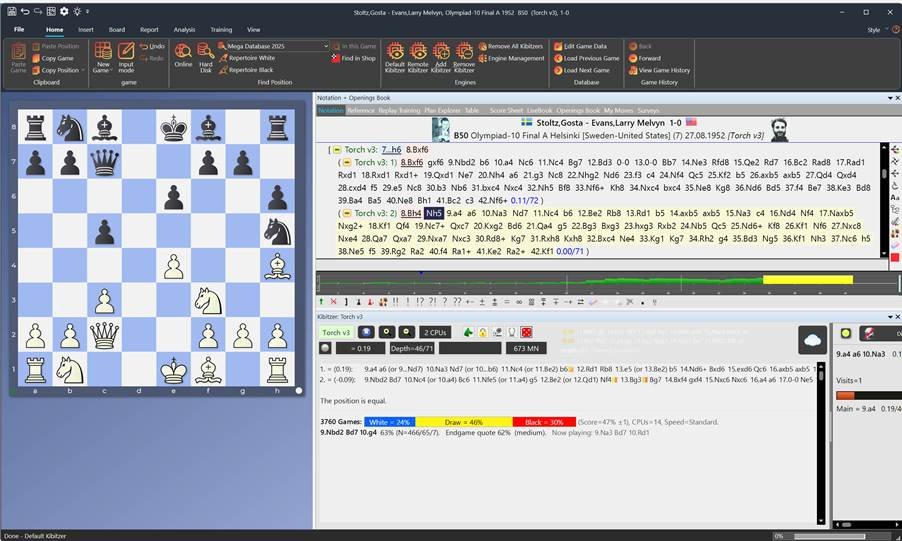
b) 8.Bxf6 gxf6 allows the doubling of Black’s f-pawns but also gains the bishop pair and prevents White from achieving e4–e5.
8.Nbd2 Nc6 9.Bh4
Still following Lundin’s play. The text, retreating before Black even plays …h6 is ingenious. White wants to play Bg3 and meet …Bd6 with Nc4, forcing Black to capture on h3, opening the h-file and potentially dissuading Black from castling kingside.
9…0–0
a) 9…Ng4 10.Bg3 Bd6 11.Bxd6 Qxd6 and now the engines recommend 12.Nc4 (12.h3 Nge5 13.Nxe5 Qxe5 14.Bb5 Bd7 15.0–0 0–0 16.f4 Qc7 17.Bd3 Ne7 18.Rae1 Rad8 19.e5 h6 20.Ne4 c4 21.Be2 Nf5 22.Bg4 Ne7 23.Qf2 b6 24.Rd1 Bc6 25.Nd6 Nc8 26.Nxc8 Rxc8 27.Rd4 Ba4 28.f5 exf5 29.Bxf5 Rce8 30.e6 Kh8 31.Bg4 fxe6 32.Qxf8+ Rxf8 33.Rxf8+ Kh7 34.Bf3 Bc2 35.h4 Qe7 36.Rfd8 Qc5 37.Kh1 e5 38.Rg4 Bf5 39.Be4 Bxe4 40.Rxe4 Qf2 41.Kh2 Qxb2 42.Rd7 Qxc3 43.Rxa7 b5 44.Rb7½–½ Lundin,E-Sajtar,J Olympiad–10 Final A Helsinki 1952 (1)) 12…Qc7 13.0–0–0 0–0 14.h3 Nge5 15.Nfxe5 Nxe5 16.Qd2 Nxc4 17.Bxc4 Qb8 18.Qd6 b5 19.Be2 with a pleasant endgame advantage.;
b) 9…Nh5 10.Bxe7 Nxe7 11.Bb5+ Nc6 12.Nc4 0–0 13.0–0–0 Bd7 14.Qd3 is a pleasant edge for White, Qd6 will come and force a favourable endgame.]
10.Bg3
[EB] “This will force the exchange of bishops on g3 which opens the h-file which may prove significant later in the game”
10…Bd6 11.Nc4 Bxg3 12.hxg3 e5
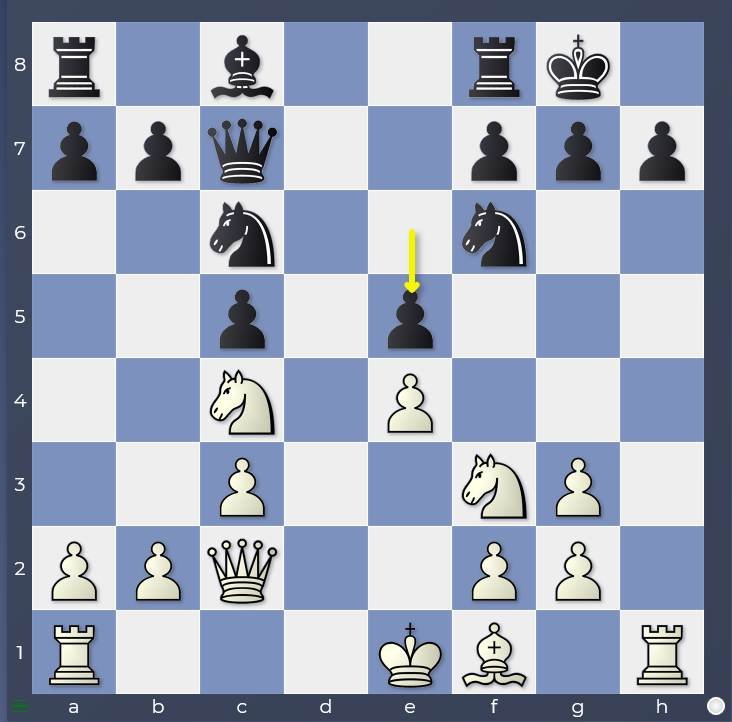
[EB] “Black places his central pawns on dark squares when he has a light-squared bishop. However, White is able to place his own “bad” bishop on the d5 outpost”
e4-e5 was threatened (when the weakness of h7 will prove fatal) so Black fossilises his pawn structure to prevent it. It’s not disastrous for Black, but White now has a clear positional goal to aim for: occupy the d5–square!
The engines think that 12…h6 is vaguely possible, but it doesn’t look great to be honest! 13.e5 Ng4 14.Qe4 f5 15.exf6 Nxf6 16.Qe3
13.Ne3 Ne7 14.Bc4 a6 15.Rd1
[EB] “If White were to castle queenside, he would be subjected to a dangerous attack. He is therefore unable to exploit the h-file”
15.a4 seems more natural, preventing black queenside expansion for a couple of extra moves, but Stoltz is only interested in placing his light-squared bishop on d5.
15…b5 16.Bd5 Rb8 17.b3
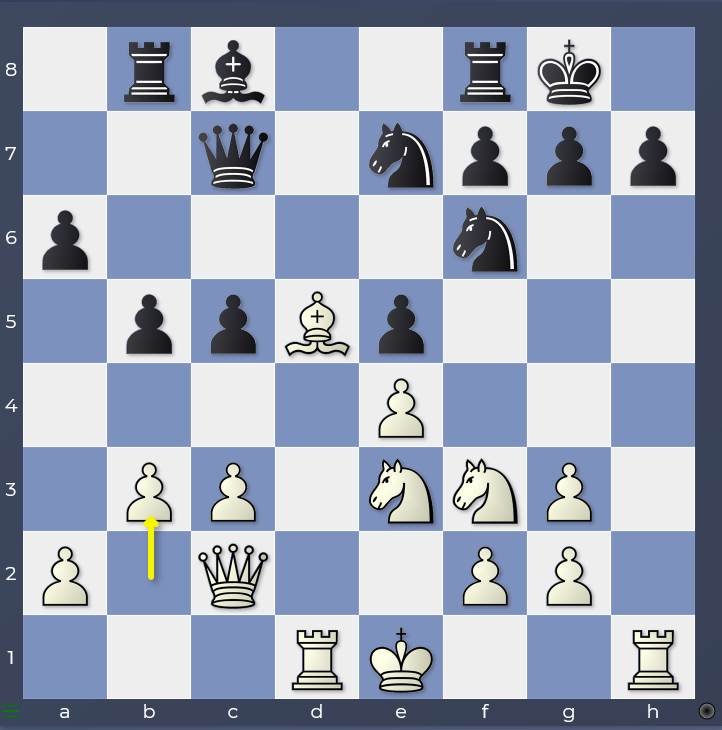
[EB] “White must prevent any opening of files on the queenside which would result in black counterplay”
The engines want White to play c4 on multiple occasions in the next moves, to prevent Black from capturing on d5 and achieving …c5–c4 himself. I can understand Stoltz’s caution however: renouncing his control of the d4–square is a responsible decision, and playing a move like b3 puts the onus on Black to work out the best way to find counterplay.
17…Bd7
17…Ng4 18.Nxg4 Bxg4 19.0–0 c4 is one of the engine lines, bringing Black a little closer to equality.
18.0–0 Rfd8
18…Nexd5 19.exd5 e4 20.d6 Qc8 is another engine suggestion. As you can see, the engines are always looking for ways to disrupt the opponent’s solid structure.
19.Rd2 h6 20.Rfd1 Kf8
[TfS] “This has its risks, some of which will soon become apparent. However, it is clear that White is already clearly better off”
21.c4
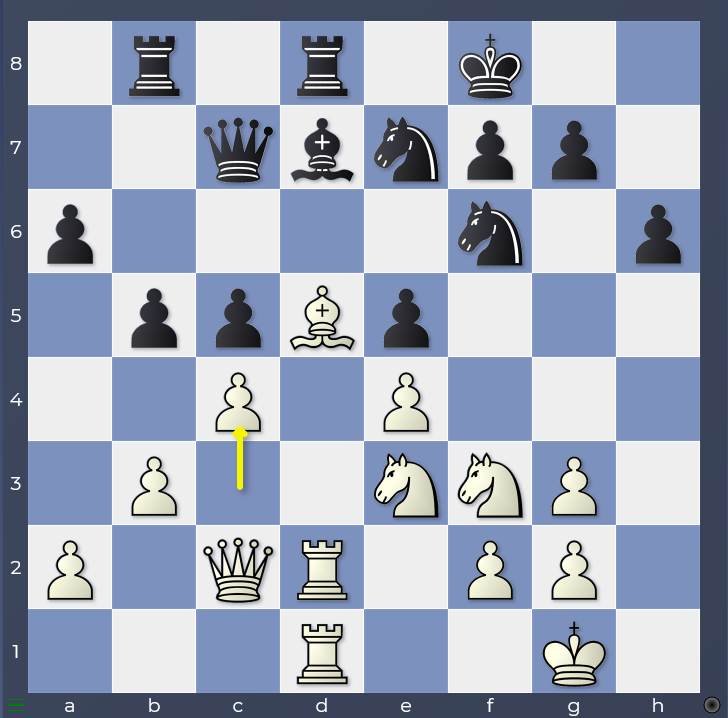
Now the position becomes a little sharper. Not only is there tension on the queenside, but White also imperceptibly gains an extra way of putting pressure on the black position.
21…b4
21…Bg4 is the engine’s best move, pinning the knight on f3 to the rook on d1 to allow Black to reduce the pressure on e5 if necessary with …Bxf3. Why is that necessary though…?
22.Qb2
Attacking the e5–pawn along the newly-opened a1–h8 diagonal!
22…Ng4
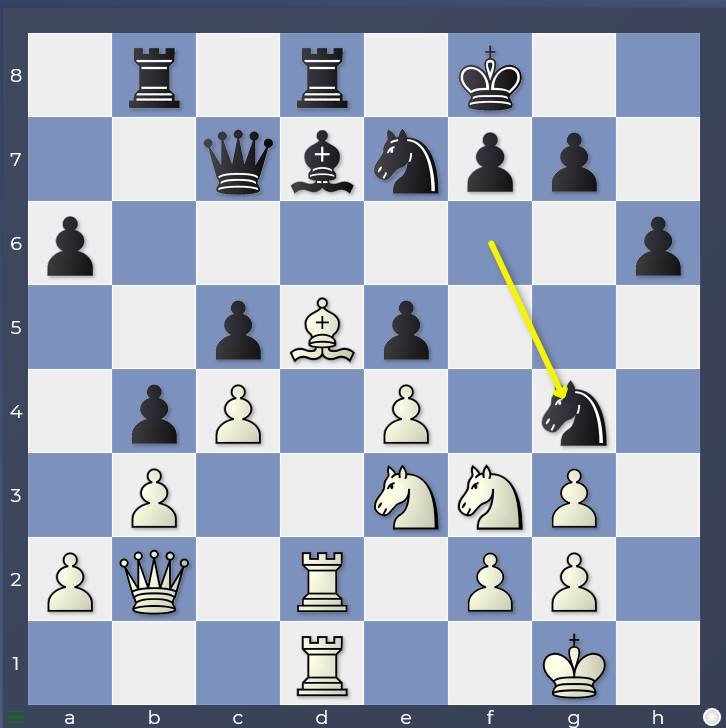
[EB] “This provides an opportunity for an unusual combination, which is not remarkable in itself, but which leads to a far from usual position.”
22…Ng4 has a similar idea to …Bg4, but unfortunately has a big tactical flaw.
[EB] “Black could have played a) 22…Ng6 23.Nf5 ([TfS] “gives White a decisive advantage”) 23…Be8 “with a solid defensive formation”
The engines side with Book and don’t see any special danger in 23.Nf5 (23…a5 intending …a4 is the engine move, parrying 24.Nd6 with 24…Be8)
23.Ne1 is the favoured engine regrouping aiming for 23…Kg8 24.Nd3 Rdc8 25.a3 bxa3 26.Qxa3 followed by Ra2 and Rda1 to put pressure on the black queenside pawns.
b) 22…Bg4 was still possible, with a manageable disadvantage for Black, although White’s position is obviously promising.]
23.Bxf7
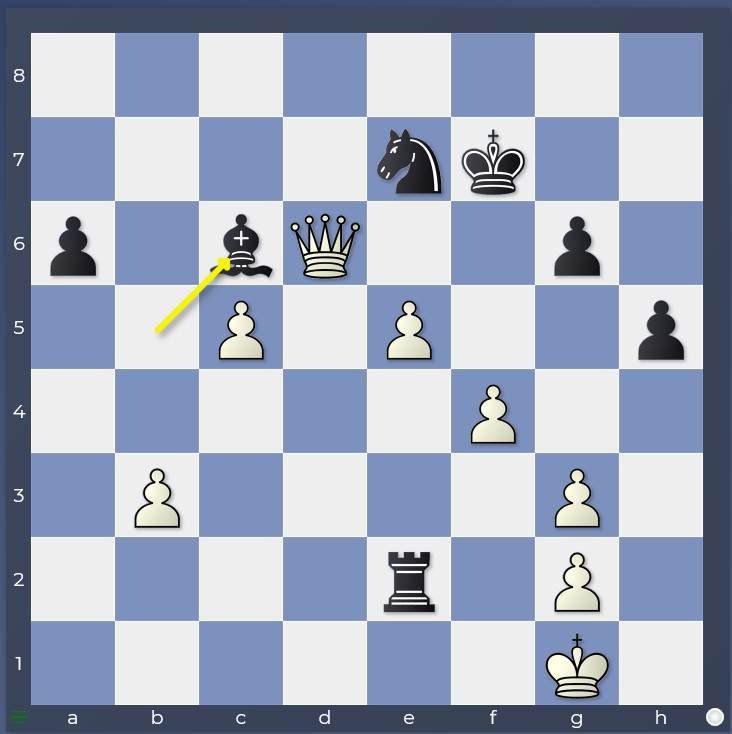
23…Kxf7
[EB] “Of course, Black cannot capture on e3”
23…Nxe3 24.fxe3 Kxf7 25.Rxd7 Rxd7 26.Rxd7 Qxd7 27.Nxe5+
24.Nxg4 Bxg4 25.Nxe5+ Qxe5
[TfS] “One might wonder whether Black had calculated this. Black gets 3 pieces for the queen but loses a lot of pawns and his king is in a precarious position”
26.Qxe5 Bxd1 27.Rxd8 Rxd8
[EB] “Black now has a rook, knight and bishop for a queen which normally means an advantage when the coordination between the pieces is good. Here however, White will gain 3 pawns which also interfere with the coordination of Black’s pieces”
28.Qxc5 Rd2 29.Qxb4 Rxa2
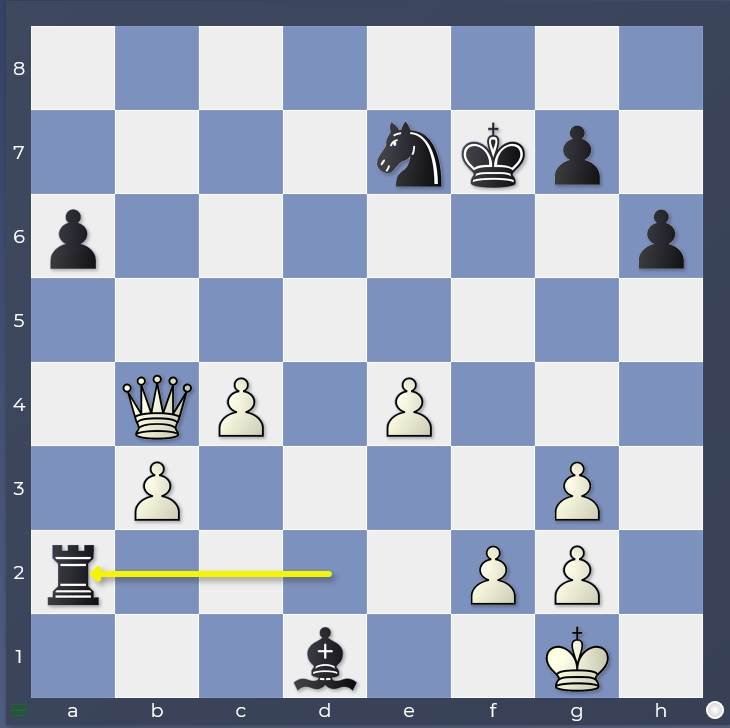
30.c5
The engines give this move a question mark, estimating that it brings the game back from “trivially won” (towards +4) to “winning, but close” (1.25).
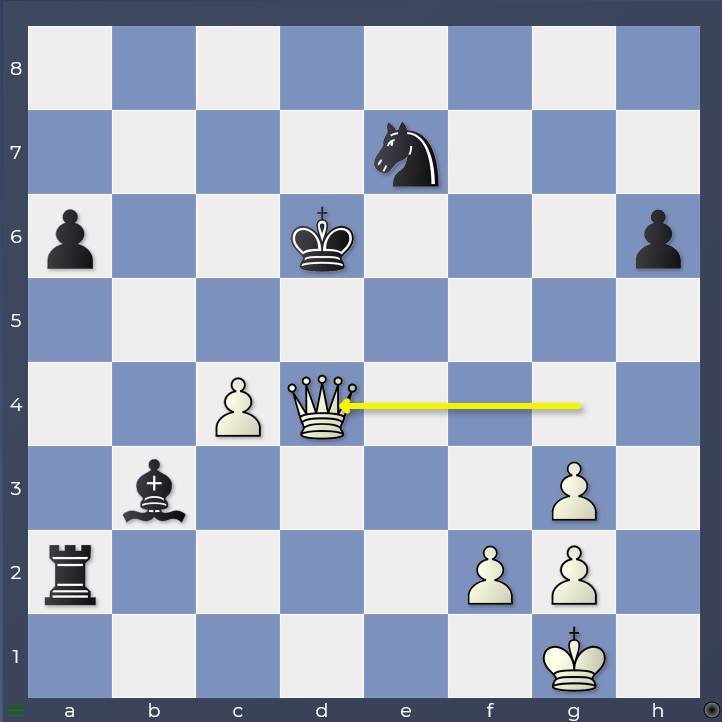
And yet the move has plenty to recommend it: White broadens the scope of the queen by giving it access to c4 and d4, introduces threats based on c6 …Nxc6, Qc4+ and plans Qc4+ followed by b4 solidifying his queenside structure on the next move.
However, on the downside it does weaken the pawn barrier that White has on the light squares b3–c4–e4 that restricts significantly the movement of the precariously-placed bishop on d1. The engines come up with something truly beautiful in its geometry and efficiency. If you are an advanced player and fancy a very difficult puzzle, then this is for you!
30.Qd6 is the strongest.
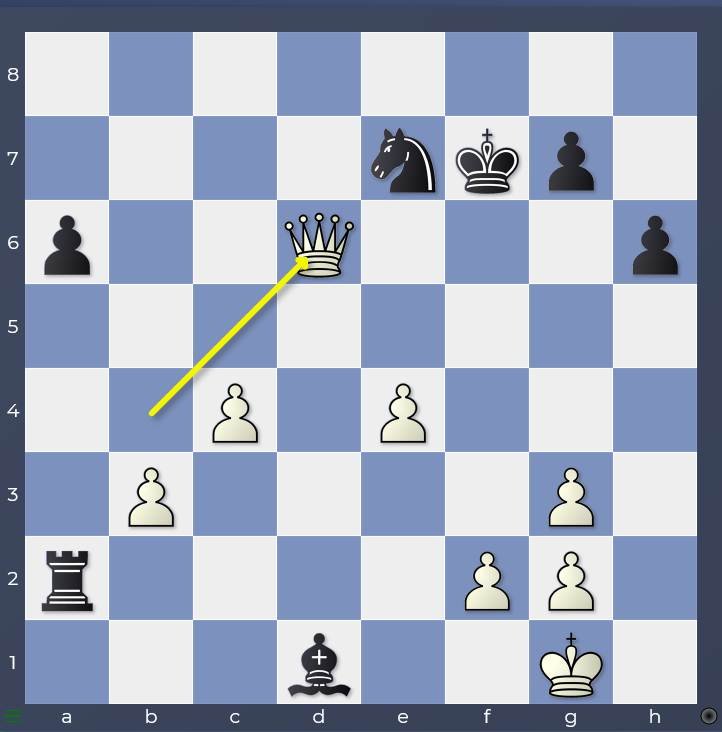
It is of course by far the most desirable move for White: the queen activates itself close to the black king while gaining a tempo on the loose bishop on d1, eyes the a6–pawn if Black moves his rook away from the a-file and prepares the advance of the e-pawn to e6 which will be very painful indeed. The key question however is: what about the b3–pawn
a) 30…Bxb3 31.Qf4+
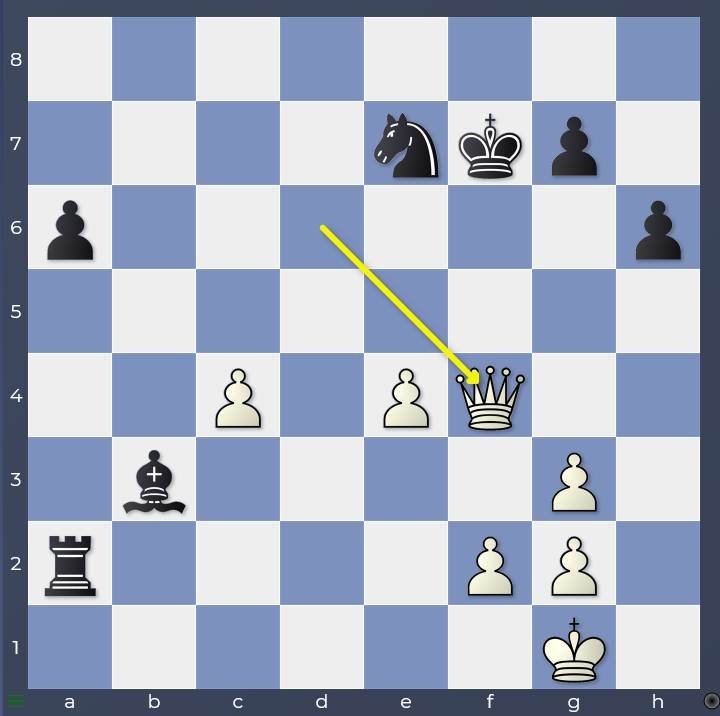
a1) 31…Ke8 Retreating to the back rank (also to g8) loses the bishop at once: 32.Qb8+;
a2) 31…Kg6 allows the unexpected 32.Qf8 winning the knight as 32…Nc6 33.Qf5# is mate
a3) 31…Ke6 32.Qg4+ Kd6 (32…Kf7 33.Qf3+ again loses the loose bishop!) 33.e5+
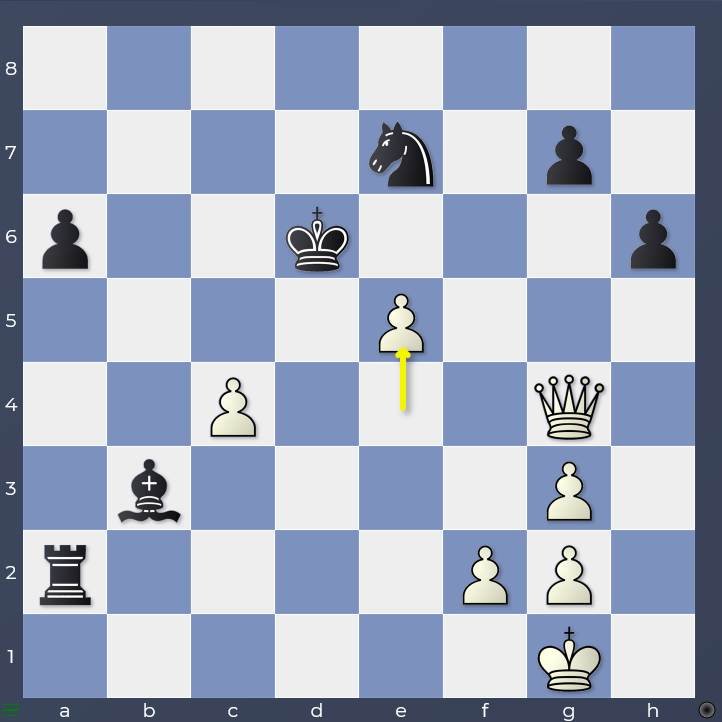
33…Kxe5 (33…Kc6 34.Qf3+; 33…Kc7 34.Qxg7 Kd7 35.Qxh6 Bxc4 36.Qd6+ Ke8 37.e6 and Black must give up a piece; 33…Kc5 34.Qd7 Nc6 35.Qd5+ Kb6 36.c5+ is the lovely point!) 34.Qxg7+ Kd6 (34…Ke6 35.Qg4+ Kd6 (35…Nf5 36.Qe4+ Kf6 37.Qc6+ Kf7 38.Qb7+) 36.Qd4+
36…Kc7 (36…Ke6 37.Qe3+; 36…Kc6 37.Qe4+ Kd7 38.Qd3+) 37.Qa7+ Kd8 38.Qb8+ again wins the bishop! Awesome geometry!)
b) 30…Bc2 31.b4 Rb2 (31…Bxe4 32.Qf4+ Bf5 33.g4) 32.g4 is a very neat engine move, preparing e5–e6 without allowing the defensive …Bf5
30…Rc2
30…Be2
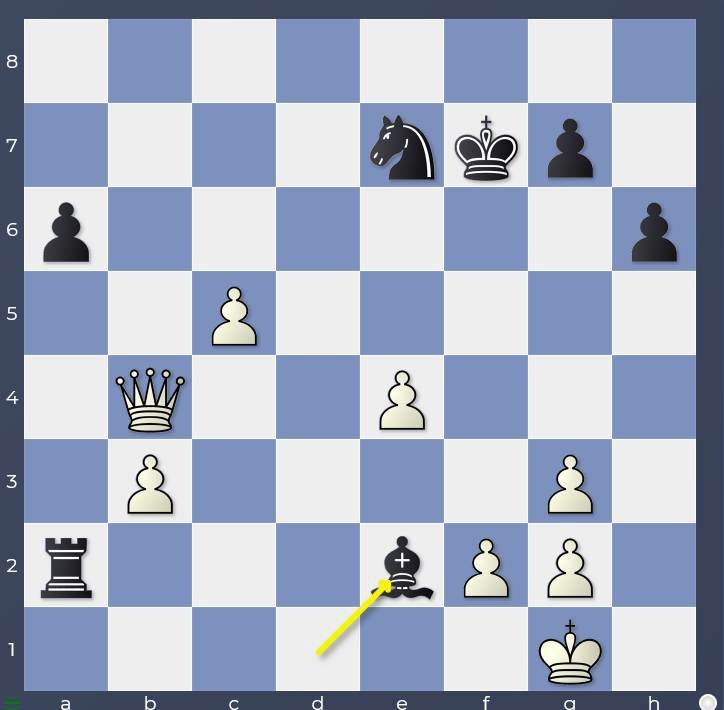
is one engine defence (30…Bg4 to cover the e6–square is also possible) using that little hole created by 30.c5 to bring the bishop to b5 and help establish a defensive setup of Kf8/Be8/Ne7 against an advance of White’s e-pawn to e6. 31.e5 Bb5 32.Qf4+ Kg8 33.e6 Be8 34.Qb8 Kf8 35.g4 Nc6 36.Qd6+ Kg8 is what the engine wants. It still looks very difficult for Black – those white kingside pawns are going to advance – but Black has at least managed to coordinate his pieces well.
31.f4
[EB] “The start of a strong attack on the kingside”
No, the engines don’t like this one AT ALL either! Now the position is just a slight advantage for White.
31.e5
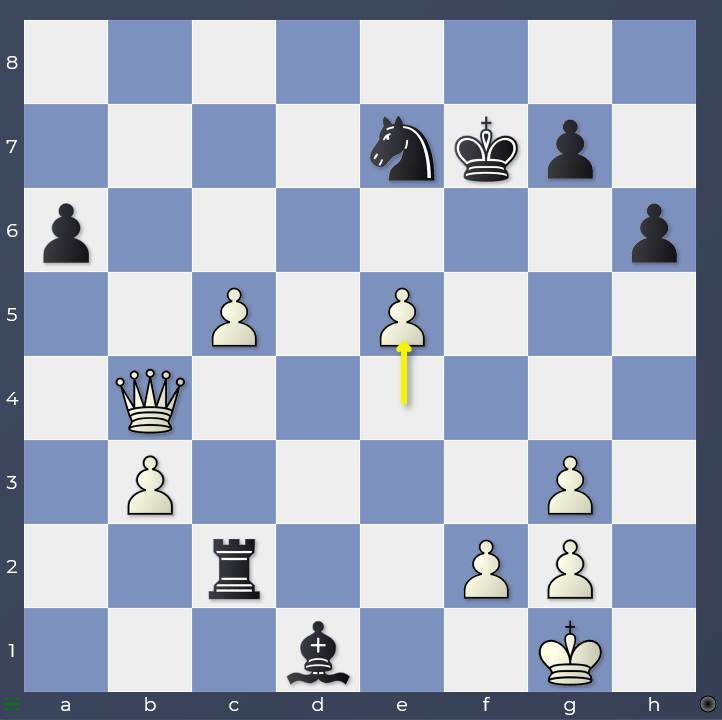
is what the engines want, completing the activation of the white queen along the fourth rank started with 30.c5 and preventing the bishop on d1 from using the g4–square. It’s simply very hard for Black to stop White from achieving e6 31…Re2 (31…h5 32.f3 stops the bishop from reaching g4; 31…Nc6 32.Qb6; 31…Be2 32.e6+ Kxe6 33.Qe4+) 32.Qc4+ Kf8 33.e6 followed by c6: Black’s pieces are terribly coordinated. Once again however, 31.e5 is quite hard to spot: it seems unlikely that Black will be unable to prevent c6 and e6 just from looking at the position!
31…Be2 32.Qd4 g6
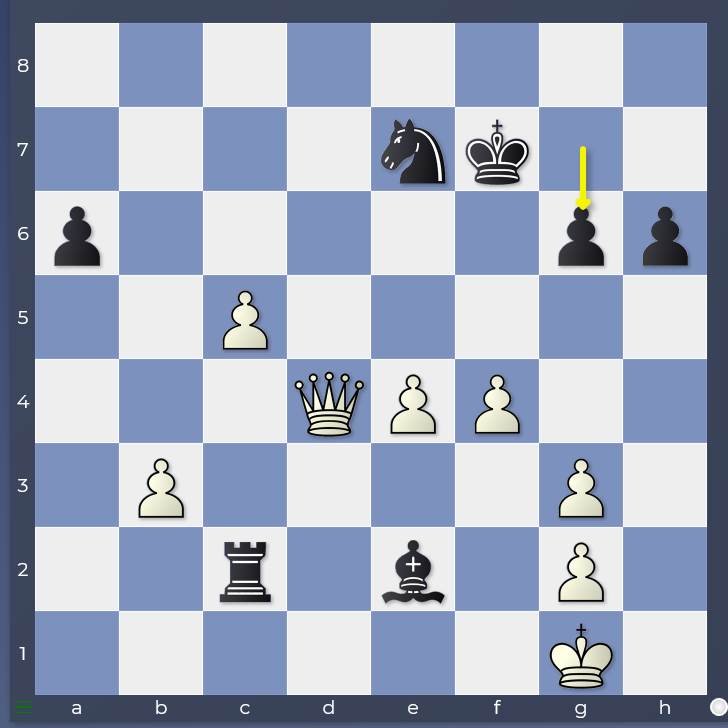
A final mistake after which Black never gets another chance. As always with grandmaster moves, you can see the sense behind what Black wants: a kingside blockade of the f- and g-pawns with …g6 and …h5. However, before playing …g6, White had just one dangerous setup to aim for: Qd6 and e-pawn to e6. Now with the f6 square unprotected, White can also aim for Qf6 and e-pawn to e6 and this dual possibility proves impossible to cover.
The optimal move for the engines was a) 32…h5
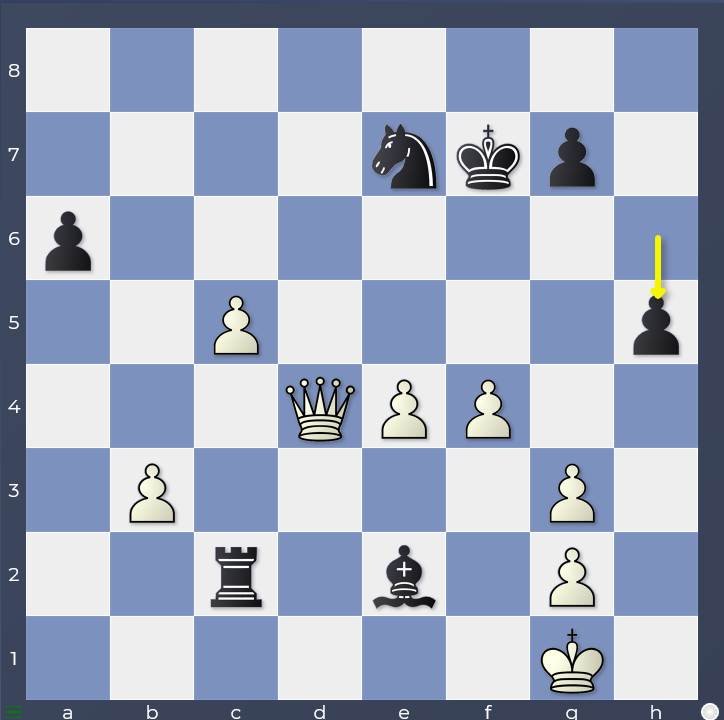
holding back g3–g4 with the aim of playing …Bb5 and …Re2 with a very solid defensive structure. 33.Qd6 Bb5 34.Qe5 (34.e5 Re2 holds the immediate threats) 34…g6 35.Qd6 is clever, trying to create the same weakness on f6 as in the game, but White is much slower than in the game. 35…Re2 36.e5 Bc6
A very important move in the whole defensive plan 37.Qf6+ Ke8 38.e6 Kd8 is the witty mirror of earlier variations when its is very important that 39.Qd4+ is met by (39.Qf8+ Be8 is fine for Black) 39…Nd5 (or 39…Bd5)
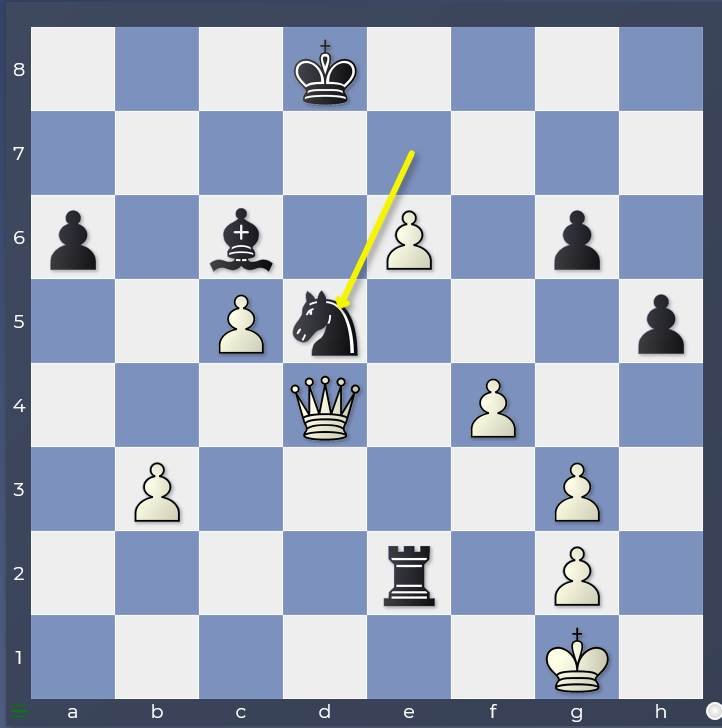
If Black’s c6–bishop were on b5, he would be lost! ;
b) 32…Bb5 33.g4 is a bigger advantage for White than 32…h5 – the white kingside pawns are mobile and the white king is a little freer. However, it’s scoring “only” 67% for White in the Monte Carlo games.
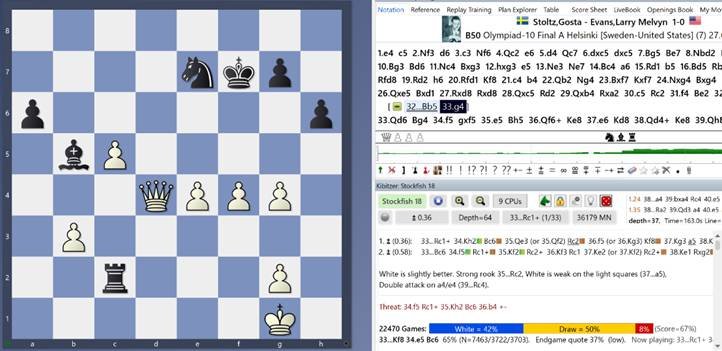
33.Qd6 Bg4
33…Rc1+ 34.Kh2 Rd1 was an engine suggestion to chase away the queen from its dominant post. However, 35.Qe5 Rd8 36.b4 h5 37.f5 gxf5 38.exf5 Bg4 39.Qe6+ Ke8 40.Qxa6 Bxf5 41.Qh6 is still awful for Black
34.f5
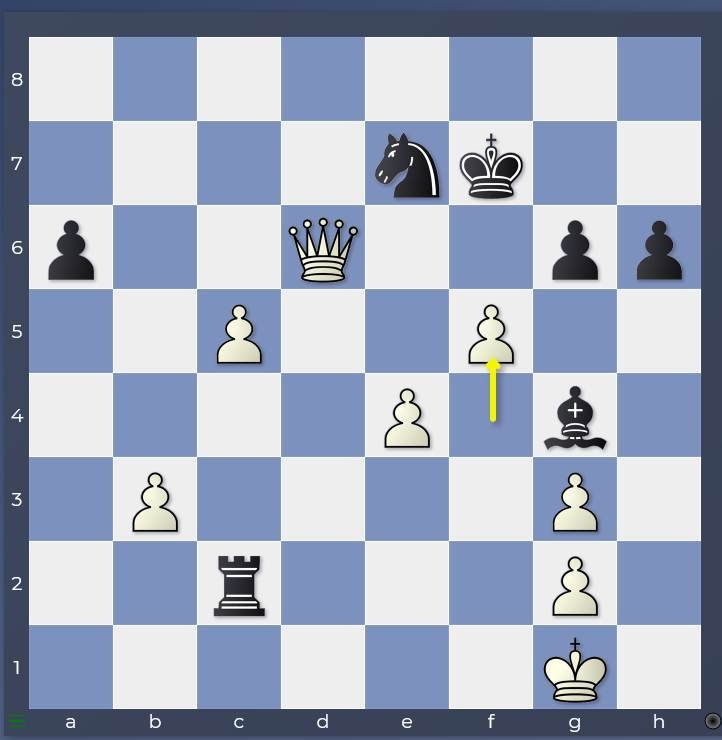
A very clever break, blocking the bishop’s access to e6.
34…gxf5 35.e5
[EB] “Black is defenceless and loses a piece in a few moves”
35…Bh5 36.Qf6+ Ke8 37.e6 Kd8 38.Qd4+
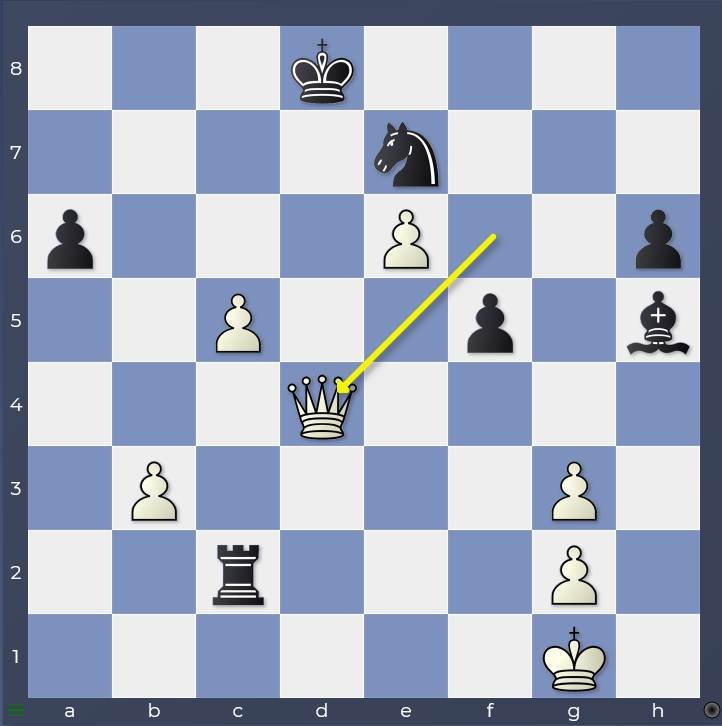
As we have seen before, the key move to break Black’s defensive structure
38…Ke8 39.Qh8+ 1–0
A great game by Stoltz!