


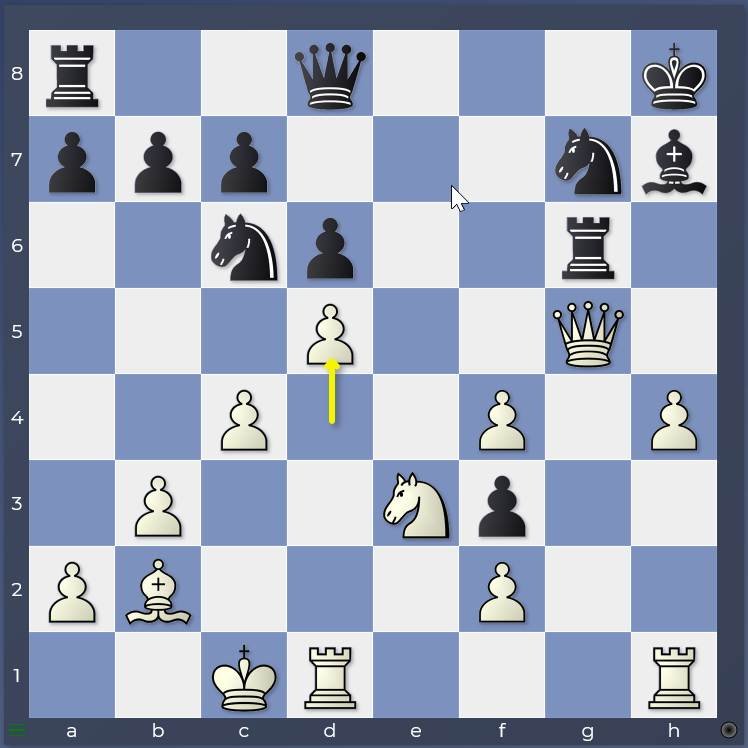
In Tidskrift för Schack 1952/10-11, Stahlberg is quoted as referring to Stoltz as “an extinct volcano”! However, the volcano still had some danger to it from time to time as this game – which won the beauty prize at the 1952 Interzonal – demonstrates. Translation: “Today’s sensational match was provided by Stoltz and Steiner. The …
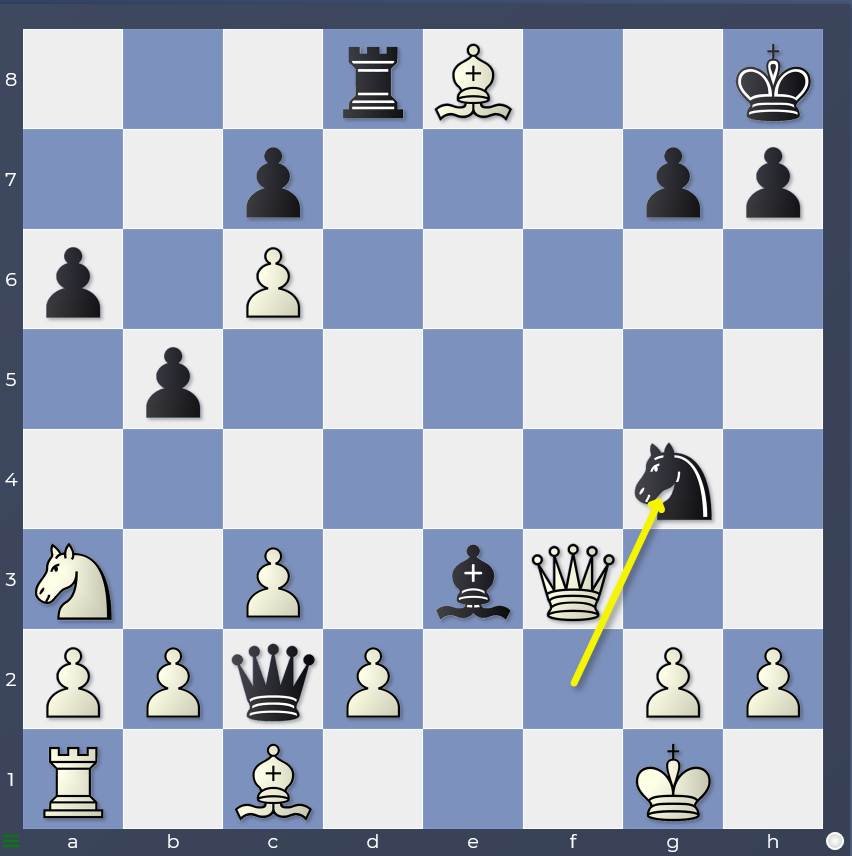
Sweden performed very creditably in the 1930 Hamburg Olympiad, coming in 9th after the winners Poland. Stoltz scored 10/17 (+7 = 6 -4) on board 3 (behind Stahlberg and Berndtsson and ahead of Lundin) and this win against the American team was typically exciting! Stoltz,Gosta – Steiner,Herman [C89] Olympiad–03 Hamburg (9), 19.07.1930 Comments marked [EB] …
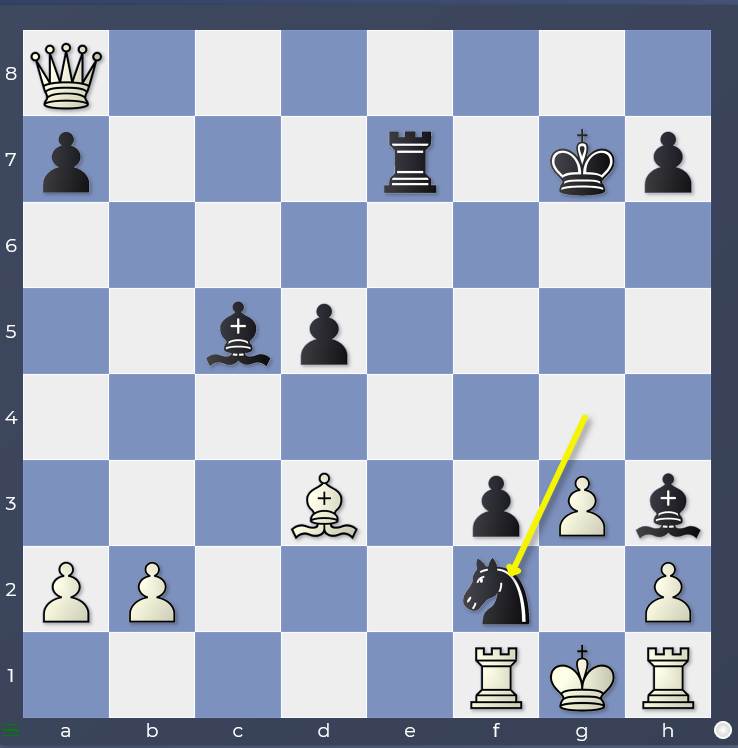
In this article we will enjoy Stoltz’ best-known game, also featured – as the author Steve Giddins mentioned in a YouTube comment – in New in Chess’ “The Most Exciting Games of Chess Ever Played” (slight digression, I did a short video series of 4 games for that book). It was former World Champion Ruslan …
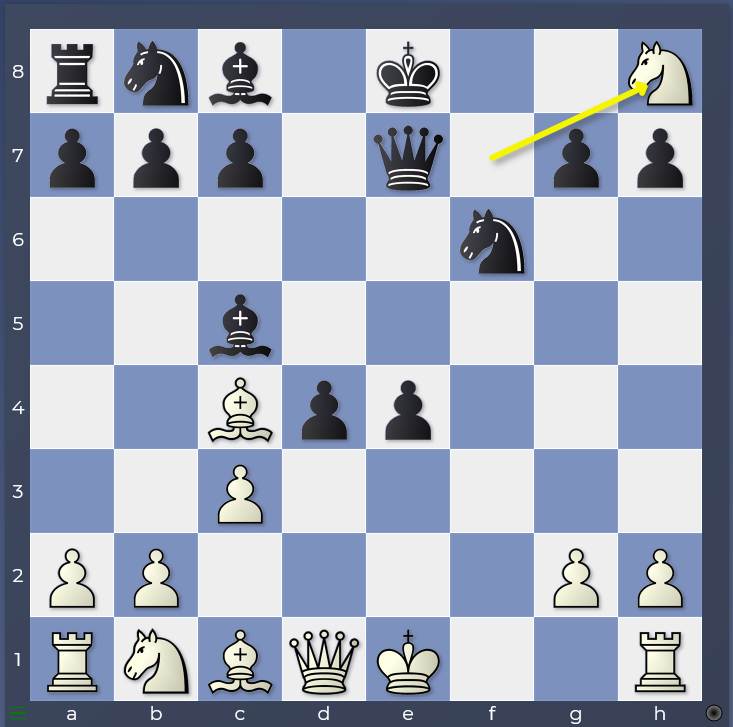
One of the nice side-effects of reading the first part of the fabulous biography of Gideon Stahlberg (“Gideon Stahlberg – An Epoch in Swedish Chess. Volume I. The Musketeer Years 1908-1939”) by Peter Holmgren (Verendel Publishing) was that I developed a strong interest in his compatriot and rival Gosta Stoltz (May 9, 1904 – July …
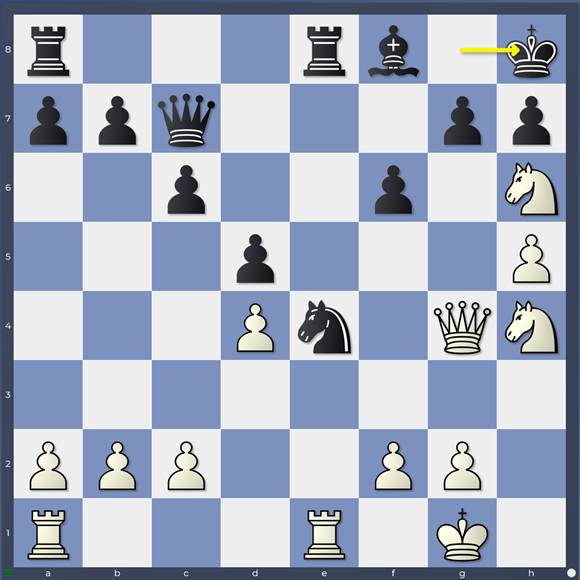
In the previous blog, we made some general observations about the Adams-Royal game from round 6 of the 2025 English Championships. In this blog entry, I’d like to examine some of Black’s better defensive opportunities and to reflect on the lessons we can draw about the correct method of defence in such situations. We identified …
Recent Comments