


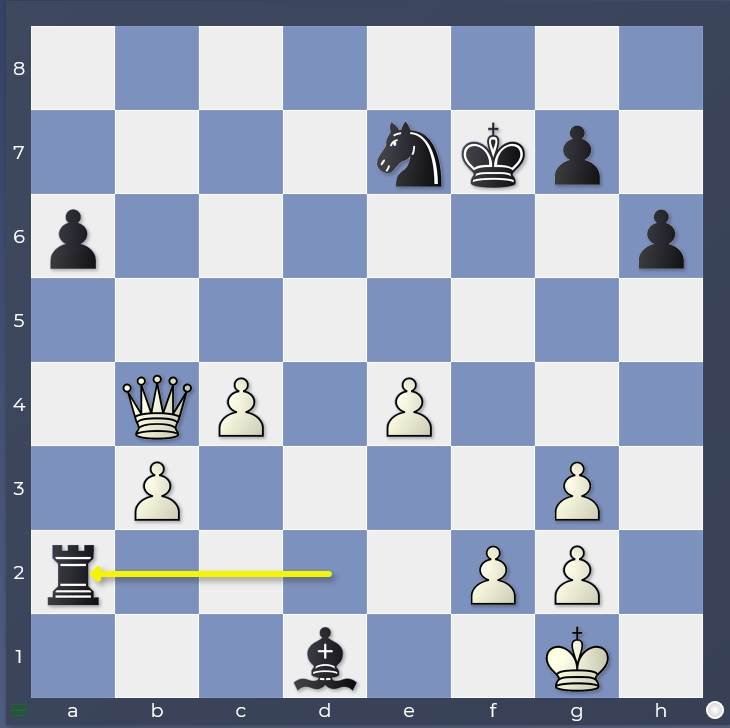
I was inspired to analyse this game after coming across this passage in the excellent 4-part biography of Kortchnoi by Tibor Karolyi and Hans Renette (Elk and Ruby) Stoltz didn’t make a great score in this Olympiad But he was instrumental in Sweden’s victory over a very strong American team. The game was annotated here …
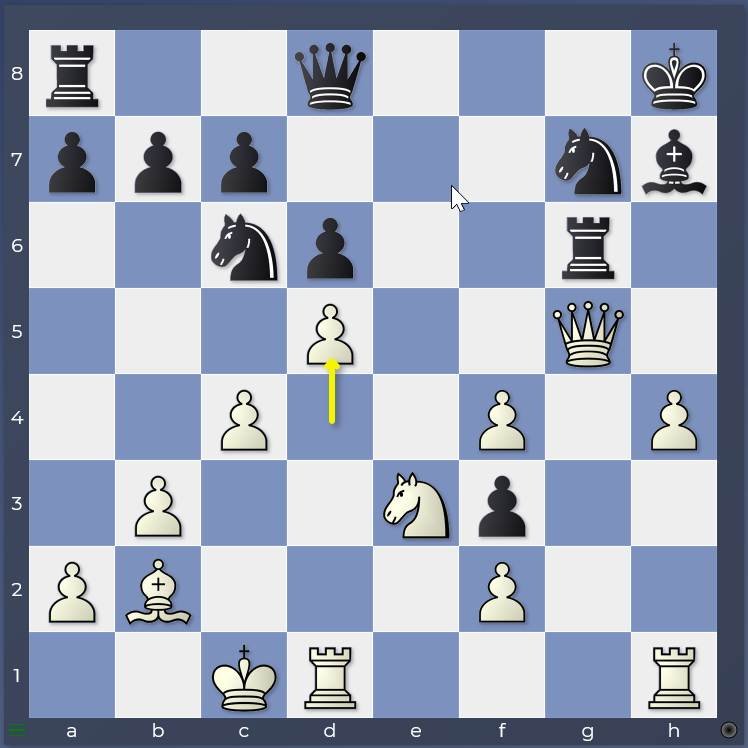
In Tidskrift för Schack 1952/10-11, Stahlberg is quoted as referring to Stoltz as “an extinct volcano”! However, the volcano still had some danger to it from time to time as this game – which won the beauty prize at the 1952 Interzonal – demonstrates. Translation: “Today’s sensational match was provided by Stoltz and Steiner. The …
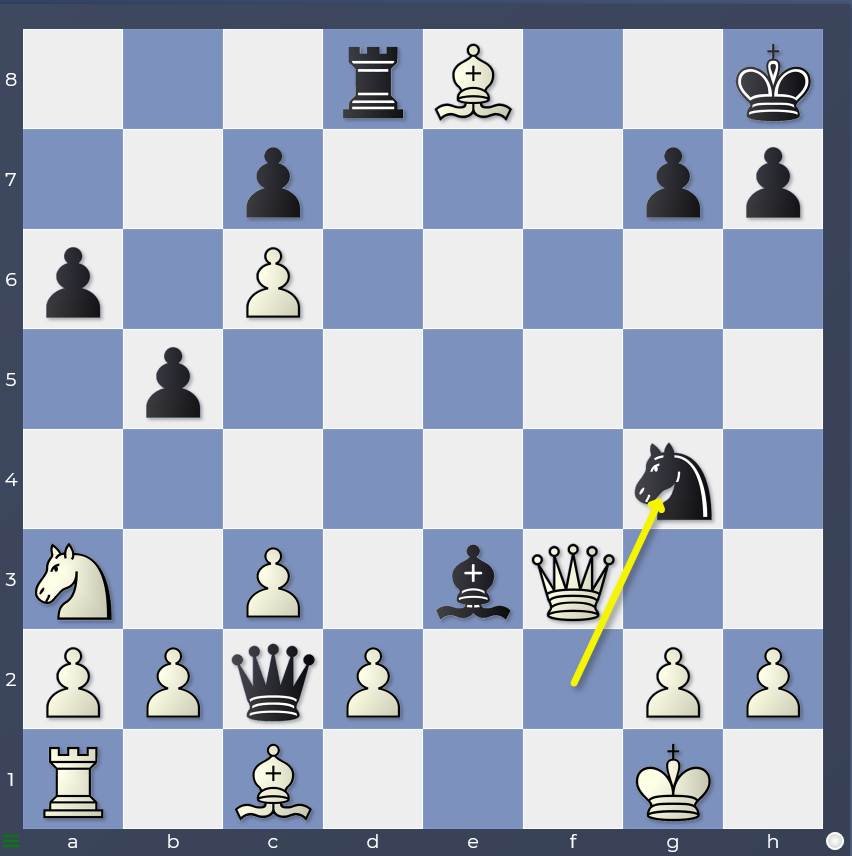
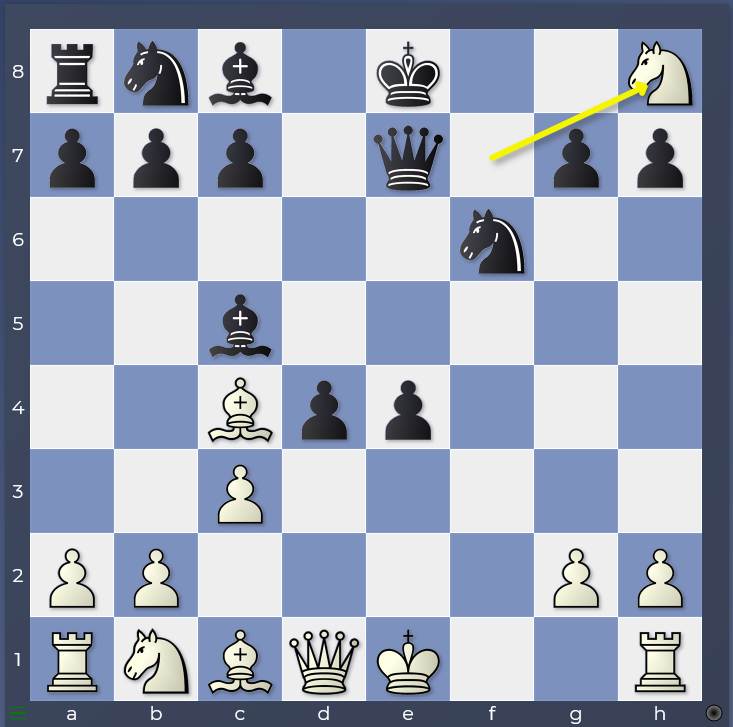
Sweden performed very creditably in the 1930 Hamburg Olympiad, coming in 9th after the winners Poland. Stoltz scored 10/17 (+7 = 6 -4) on board 3 (behind Stahlberg and Berndtsson and ahead of Lundin) and this win against the American team was typically exciting! Stoltz,Gosta – Steiner,Herman [C89] Olympiad–03 Hamburg (9), 19.07.1930 Comments marked [EB] …
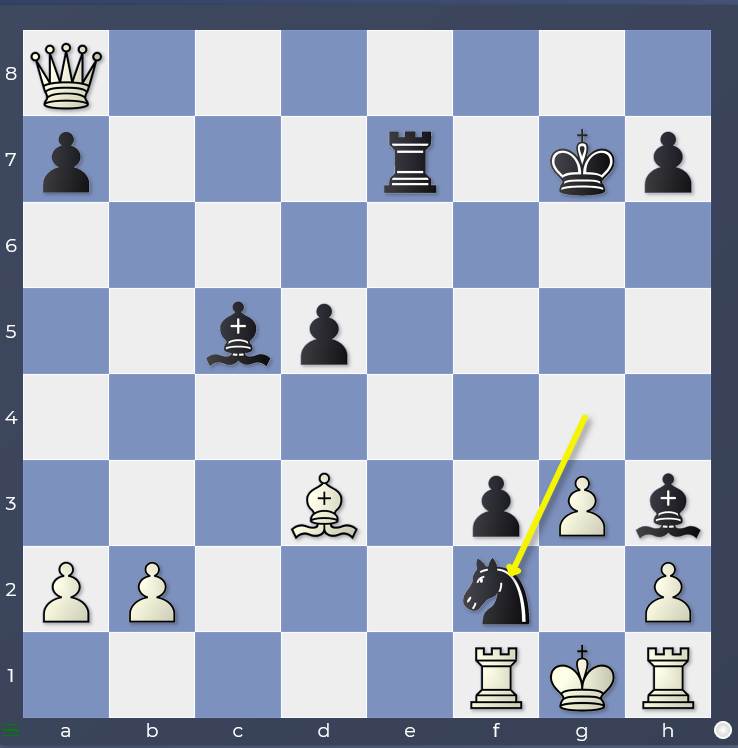
In this article we will enjoy Stoltz’ best-known game, also featured – as the author Steve Giddins mentioned in a YouTube comment – in New in Chess’ “The Most Exciting Games of Chess Ever Played” (slight digression, I did a short video series of 4 games for that book). It was former World Champion Ruslan …
One of the nice side-effects of reading the first part of the fabulous biography of Gideon Stahlberg (“Gideon Stahlberg – An Epoch in Swedish Chess. Volume I. The Musketeer Years 1908-1939”) by Peter Holmgren (Verendel Publishing) was that I developed a strong interest in his compatriot and rival Gosta Stoltz (May 9, 1904 – July …
Recent Comments